
Categorías
Tips saludables

Vegetables and Athletic Performance

Normally, when we talk about foods that increase muscle mass, we think of protein-rich foods like meat, fish, eggs, dairy, and legumes. However, vegetables can also be an important part of a diet to increase muscle mass, as some of the micronutrients they contain can be key to both recovery and the generation of muscle tissue. It is therefore necessary to include them in a balanced diet, especially those rich in nitrates ($NO_3^-$), which not only have positive effects on our general health but also help improve athletic performance.
Vegetables are rich in antioxidants and minerals such as iron, potassium, calcium, folic acid, and vitamin C.

Spinach
Spinach is an excellent source of iron, which is important for red blood cell production and the transport of oxygen to the muscles. Furthermore, they are notable for being rich in nitrates, which improve efficiency during physical exercise and recovery, as they increase blood flow to the muscles and, therefore, their oxygenation.

Broccoli
Broccoli is a food rich in vitamin C. This vitamin plays a key role in collagen production, a protein that helps maintain muscle structure.

In addition, it is also high in fibre, low in calories, and contains a large amount of antioxidant compounds (sulforaphane), making it an excellent choice for a muscle-building diet.

Sweet potato
Sweet potatoes are an excellent source of complex carbohydrates, providing sustained energy for intense workouts.

They are also rich in potassium, which is essential for muscle function and recovery after exercise. In addition, they contain high levels of beta-carotene, which supports recovery following intense physical activity where oxidative stress increases.

Carrots

Like sweet potatoes, carrots are rich in beta-carotene, which is important for muscle and bone health.

They are also high in potassium and phosphorus, and consuming them after exercise helps promote muscle recovery.

Their versatility in the kitchen is endless, making them an essential part of your diet. They can be eaten raw, cooked, in smoothies, soups, or even in baking… the possibilities are limitless.

Beetroot
Beetroot juice has been shown to improve performance.

Consuming it before exercise enhances muscle oxygenation, reduces fatigue, and improves recovery.

It is also rich in complex carbohydrates, iron, folic acid, and vitamin C.

Including vegetables in your diet to support muscle growth is an excellent way to obtain the nutrients needed to build muscle, improve performance, and speed up recovery.

It is also important to adapt your intake of carbohydrates and protein to suit your level of physical activity.

Categorías
Tips saludables

Importance of Exercise for Bone Health

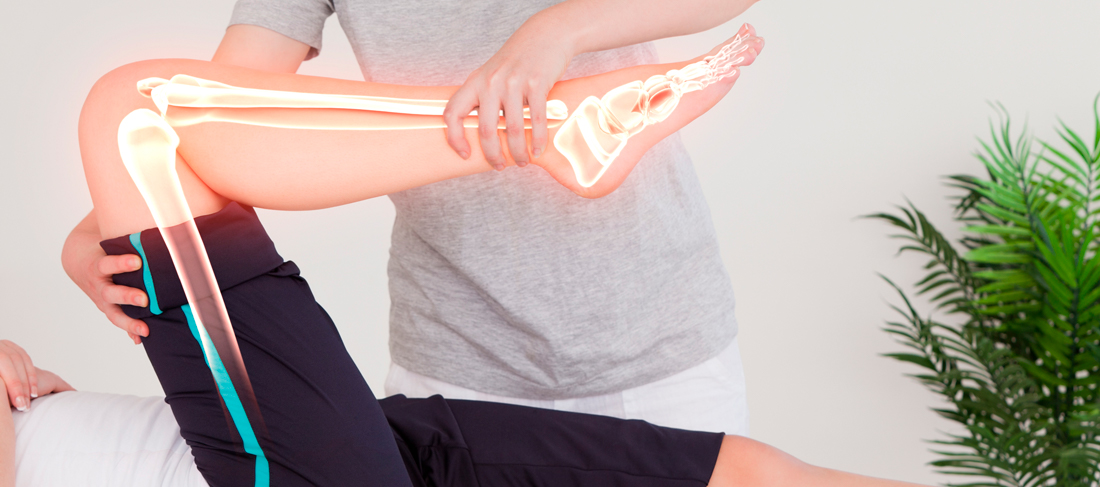
Exercise is good for the heart and for working the muscles, but it is also good for the bones. Why? Exercise is fundamental for having a strong and healthy skeletal system. Bones are living tissues that, like muscles, are strengthened by exercise. Physical activity causes muscle contraction that favors the deposit of calcium in the bone and improves blood circulation, which provides more nutrients to the bone. Just as muscle tissue develops with exercise, bones also rebuild and regenerate to support more muscle mass. The more trained the muscle is, the stronger the bone; the greater the muscular pressure, the greater the bone density. Just as musculature atrophies due to a lack of movement and exercise, bones deteriorate when physical activity ceases. The best way to prevent bone fractures is to play sports. The latest medical research shows that the practice of exercise and sport increases bone density.

Which exercises and sports are best for bones?
The best exercises for bones are resistance, strength, and impact exercises. Resistance exercises are those that must overcome the opposition of the force of gravity and support one’s own weight; supporting body weight increases its ability to absorb calcium, increases cellular regeneration, and increases or maintains bone mass. Examples: weights, cables and pulleys, certain gym machines, TRX, and plyometric exercises. Another type of very beneficial sport is one that combines gravity resistance with aerobic effort and constant impact, such as running, jump rope, dancing, soccer, basketball, and racket games. Impact exercise generates jolts that send signals to bone cells, and they are activated to increase their strength. Finally, strength exercises, because they make the muscle—and therefore the bone—work: planks, push-ups, squats, lunges, burpees… the typical functional training.

Besides sport, what daily activities can help strengthen bones?
A balanced and healthy diet is fundamental: consume foods rich in calcium and vitamin D. Good sources of calcium are dairy products (milk, yogurt, kefir, low-fat cheeses), cruciferous vegetables (e.g., broccoli, Brussels sprouts, kale), legumes (such as white beans), small fish like sardines and anchovies, nuts—especially almonds—and seeds like sesame. Vitamin D is important because it helps the digestive system absorb calcium obtained from the diet and aids in bone mineralization. We find vitamin D in egg yolks, oily fish, liver, and milk with added vitamin D. Fruits and vegetables in general contribute other nutrients that are important for bone health. For example, vitamin K—which we can find in leafy green vegetables and kiwis—and magnesium—in spinach, brown rice, or pumpkin seeds—are important. It is also important for the bones to sunbathe with moderation (at least twenty minutes a day for the absorption of vitamin D), and if we do it while walking, all the better, because we combine gentle physical exercise with the benefits of sunlight. Dancing, climbing stairs, and in general, movement and an active life are also good for the skeletal system.

Categorías
Tips saludables

The Kaizen Method

Defining its principles
Kaizen is based on the idea that nothing can be considered definitively finished; it can always be improved. When we talk about health, this idea makes a lot of sense since our body lives in a state of permanent change; on one hand, it has to continuously adapt to complex biological processes, and on the other, it has to cushion the demanding lifestyle we have to live. The key to Kaizen is summarized in 2 concepts: making small changes, but continuously. It is a long-distance race.

What are its objectives?
In the context of wellness, the main objective is to refine and optimize daily habits to achieve a more functional and healthy body. Since it is very difficult to change habits drastically (that usually does not work), the best option is to draw up a plan and break it down into small goals that will be applied progressively. Thus, the small daily challenges will focus on avoiding energy loss, increasing vitality, and maintaining a healthy balance.

What benefits does it bring us?
In general, the biggest advantage is that, by being progressive, it allows for greater adaptation to changes. One of the most interesting aspects is that short-term improvements are achieved, which generates greater motivation when following the program. But we must not forget that great results take time; within a year, a healthy and sustainable lifestyle is consolidated.

How do I manage to apply this method?
Regarding goals, you must apply the «divide and conquer» technique. It is very important to define each goal very well: it must be specific, realistic, and measurable; furthermore, you must achieve a balance between 2 aspects: it must be small and easy, yet at the same time, challenging. Then, throughout the process, you must apply the continuous improvement spiral: Plan, Do, Check, Act. For this, good follow-up and client support—like we do at Assari—is fundamental.

What are the main challenges?
There are many! The most important is Self-awareness: being able to observe habits to improve them. That way, I can organize, prioritize, and find the most efficient way to carry them out. The next step, inevitably, consists of applying discipline, self-control, and perseverance. But perhaps one of the most interesting challenges is that of Simplifying things.

Where can it be applied with the best results?
Great results will depend, of course, on the degree of involvement in the process. This methodology can be applied to any area of our lives, whether it be at the level of productivity, work, personal growth, relationships, etc. When we apply it to key areas of wellness, such as nutrition, the mind-emotion tandem, physical condition, and rest, and we maintain it over time, the results of Kaizen are extraordinary.

Categorías
Tips saludables

Hormones with a Positive Effect on Well-being

  • Serotonin: Regulates mood, anxiety, and sleep. Low levels of serotonin have been linked to depression and other mood disorders.
  • Dopamine: A hormone that regulates reward and pleasure in the brain, and has been linked to motivation and learning. Low levels of dopamine have been linked to disorders such as depression and addiction.
  • Endorphins: These are neurotransmitters produced by the body that act as natural painkillers, generating responses to pain and stress and producing feelings of well-being and euphoria, creating a positive emotional response.
  • Oxytocin: A hormone that is released during physical contact and intimacy, and has been linked to emotional regulation, sociability, affective bonding, empathy, and attachment.

How do we produce oxytocin, endorphins, and dopamine naturally?

  • Exercise: Activities such as running, swimming, cycling, weightlifting, dancing, and walking. To obtain benefits in the release of dopamine in the brain, it is recommended to do at least 30 minutes a day. Aerobic exercise is indicated for the stimulation of serotonin.
  • Nutrition: Dark chocolate, hot peppers, nuts, fruits rich in antioxidants, and leafy vegetables can stimulate the creation of endorphins.
    • Bananas, avocados, eggs, lean meat, fish, and almonds are rich in tyrosine, the amino acid precursor to dopamine.
    • Foods rich in tryptophan, an amino acid precursor to serotonin, are: bananas, walnuts, sunflower seeds, eggs, fish, meat, and dairy products.
  • Meditation and deep breathing: Helps reduce stress and stimulates the production of endorphins. A practice between 10 and 30 minutes daily.
  • Laughing, smiling: Generates serotonin, oxytocin, dopamine, and endorphins, while promoting interpersonal relationships.
  • Adequate rest: Necessary for the production of endorphins, dopamine, and serotonin, which is produced in greater quantity during the REM phase of sleep.
  • Spending time with friends, family, and having positive and constructive relationships.
  • Exposure to sunlight: It is recommended to be outdoors for at least 15 minutes a day to obtain sufficient sunlight and generate serotonin.
  • Music: Serves as a stimulus in the production of endorphins, dopamine, and improves mood.