
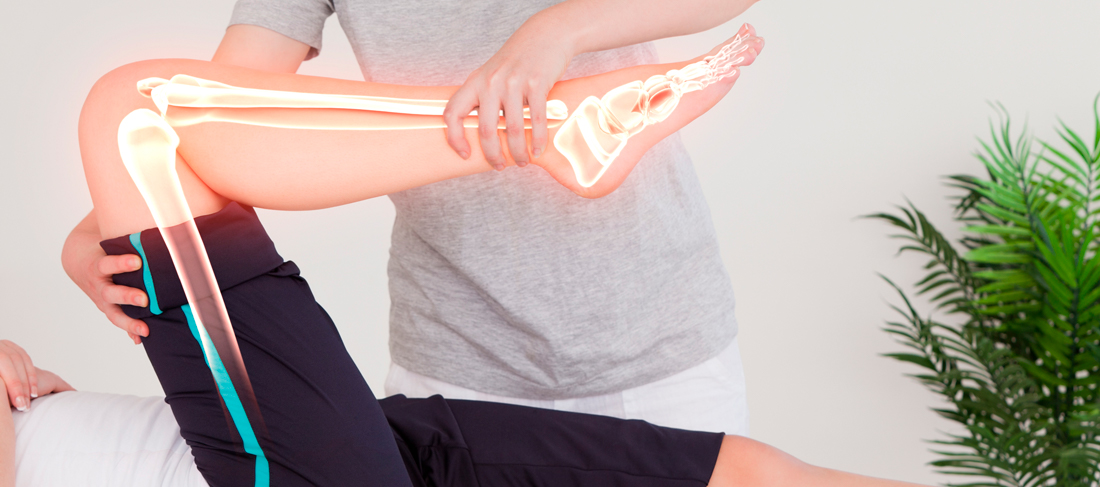
Exercise is good for the heart and for working the muscles, but it is also good for the bones. Why? Exercise is fundamental for having a strong and healthy skeletal system. Bones are living tissues that, like muscles, are strengthened by exercise. Physical activity causes muscle contraction that favors the deposit of calcium in the bone and improves blood circulation, which provides more nutrients to the bone. Just as muscle tissue develops with exercise, bones also rebuild and regenerate to support more muscle mass. The more trained the muscle is, the stronger the bone; the greater the muscular pressure, the greater the bone density. Just as musculature atrophies due to a lack of movement and exercise, bones deteriorate when physical activity ceases. The best way to prevent bone fractures is to play sports. The latest medical research shows that the practice of exercise and sport increases bone density.
Which exercises and sports are best for bones?
The best exercises for bones are resistance, strength, and impact exercises. Resistance exercises are those that must overcome the opposition of the force of gravity and support one’s own weight; supporting body weight increases its ability to absorb calcium, increases cellular regeneration, and increases or maintains bone mass. Examples: weights, cables and pulleys, certain gym machines, TRX, and plyometric exercises. Another type of very beneficial sport is one that combines gravity resistance with aerobic effort and constant impact, such as running, jump rope, dancing, soccer, basketball, and racket games. Impact exercise generates jolts that send signals to bone cells, and they are activated to increase their strength. Finally, strength exercises, because they make the muscle—and therefore the bone—work: planks, push-ups, squats, lunges, burpees… the typical functional training.
Besides sport, what daily activities can help strengthen bones?
A balanced and healthy diet is fundamental: consume foods rich in calcium and vitamin D. Good sources of calcium are dairy products (milk, yogurt, kefir, low-fat cheeses), cruciferous vegetables (e.g., broccoli, Brussels sprouts, kale), legumes (such as white beans), small fish like sardines and anchovies, nuts—especially almonds—and seeds like sesame. Vitamin D is important because it helps the digestive system absorb calcium obtained from the diet and aids in bone mineralization. We find vitamin D in egg yolks, oily fish, liver, and milk with added vitamin D. Fruits and vegetables in general contribute other nutrients that are important for bone health. For example, vitamin K—which we can find in leafy green vegetables and kiwis—and magnesium—in spinach, brown rice, or pumpkin seeds—are important. It is also important for the bones to sunbathe with moderation (at least twenty minutes a day for the absorption of vitamin D), and if we do it while walking, all the better, because we combine gentle physical exercise with the benefits of sunlight. Dancing, climbing stairs, and in general, movement and an active life are also good for the skeletal system.